Language Immersion Camps for Kids: French, Spanish, German & More
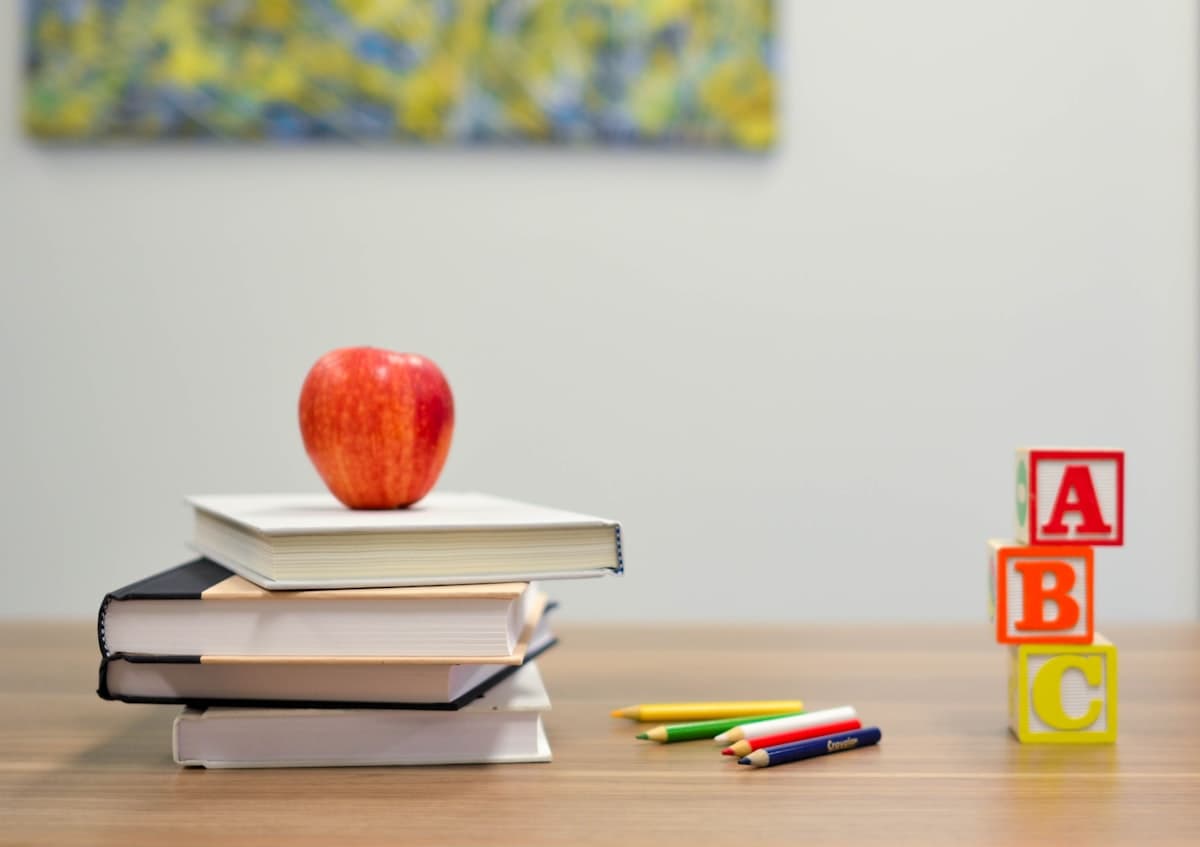
There's a massive difference between "my kid took Spanish for a year" and "my kid spent two weeks at a Spanish immersion camp." Immersion works — especially for kids. Their brains are wired to absorb language through context, repetition, and social pressure in a way that adult brains simply aren't. A two-week immersion camp can produce more genuine fluency than a full school year of once-a-week language class.
Stay in the loop
I share camp recommendations, tips, and insights with my newsletter subscribers about every two weeks.
Your email won't be shared. Unsubscribe anytime.
These camps combine real language instruction — actual lessons with qualified teachers — with activities, culture, and adventure that make the learning stick. Your child isn't just memorizing vocab lists. They're ordering lunch in French, making friends in Spanish, and navigating daily life in a language that isn't their own. That's how language acquisition actually works. Here are the best immersion programs I've found across Europe.
French
Centre International d'Antibes — French Riviera
This is the program I recommend most often for French immersion. Centre International d'Antibes runs sleepaway camps for ages 6–17 on the French Riviera, and the language instruction is serious: 20 French lessons per week with native-speaking teachers, organized by proficiency level. But it doesn't feel like school. Afternoons and evenings are packed with sailing, trampolining, beach visits, and sports. Weekend excursions go to Monaco, Nice, and other Riviera destinations. The setting is stunning — your kid is learning French while living on the Mediterranean coast. Campers stay in supervised residences, and the international mix means your child will be speaking French with kids from all over the world, not just in the classroom.
Ages: 6–17 | Type: Sleepaway | Language: French immersion (20 lessons/week) | Season: Summer
Le Petit Cours du Rocher — Paris
For younger children, Le Petit Cours du Rocher is a bilingual English-French day camp in Paris for ages 3–6. The intimate setting and week-by-week registration make it perfect for families who are passing through Paris and want their little ones to get some structured French exposure without the intensity of a full immersion program. The bilingual approach means your child always has the safety net of English while being gently immersed in French through songs, stories, games, and daily routines. It's the gentlest on-ramp to French I've found for very young kids.
Ages: 3–6 | Type: Day camp | Language: Bilingual English-French | Season: Summer
Spanish
Olé Immersion — Valencia
Olé Immersion is a thoughtfully designed Spanish immersion program in Valencia for ages 3–13, with both day and sleepaway options. What sets it apart is the choice of tracks: a nature-focused track that combines Spanish lessons with outdoor exploration and environmental education, and a soccer-focused track that pairs language learning with daily training sessions. The concierge services for families are a huge bonus — they help with accommodation recommendations, local logistics, and family activities around Valencia. If you want your kids in immersion camp while you enjoy one of Spain's most livable cities, this is a seamless option.
Ages: 3–13 | Type: Day & sleepaway | Language: Spanish immersion | Season: Summer
Camp Sol — San Sebastián
Camp Sol runs a full-immersion Spanish camp for ages 6–17 in San Sebastián, one of the most beautiful cities in the Basque Country. The language instruction is conversation-based rather than textbook-driven — kids learn to speak Spanish by actually speaking Spanish, all day, every day. Classes are supplemented with sports, water activities along the coastline, and cultural trips that bring the language to life. The sleepaway format means your child is immersed around the clock, which accelerates learning dramatically. San Sebastián's food scene, beaches, and coastal beauty make it an incredible setting for a language camp.
Ages: 6–17 | Type: Sleepaway | Language: Spanish immersion | Season: Summer
German
Did Deutsch-Institut — Oberwesel
Did Deutsch-Institut runs a German immersion sleepaway camp near the stunning Schönburg Castle in Oberwesel, along the Rhine Valley. Ages 8–14 receive 20–24 German lessons per week, with levels from absolute beginner (A1) through upper intermediate (B2). The setting is magical — a medieval castle overlooking the Rhine — and the activities include swimming, treasure hunts, night hikes, campfires, and excursions along the river. The combination of serious language instruction with adventure-camp activities means kids are motivated to learn because the German they're picking up is immediately useful in their daily camp life. This is one of the most unique camp settings in Europe, full stop.
Ages: 8–14 | Type: Sleepaway | Language: German immersion (20–24 lessons/week) | Season: Summer
Multi-Language
Nacel International Camps — Multiple Countries
If you want flexibility across languages, Nacel International runs immersion camps for ages 12–19 in multiple countries, covering French, Spanish, German, Italian, Japanese, Korean, and more. Each program includes 15 hours per week of language classes, and campers can stay with host families or on residential campuses. The host family option is particularly powerful for immersion — your teenager is not just learning the language in class but living it at the dinner table, in the grocery store, and in casual daily conversation. Nacel has been running these programs for decades, and the network of vetted host families is one of their strongest assets.
Ages: 12–19 | Type: Sleepaway (residential or host family) | Language: French, Spanish, German, Italian, Japanese, Korean & more (15 hours/week) | Season: Summer
English Immersion (for Non-Native Speakers)
Kids Camp America (KCA) — 7 German Cities
I'm including KCA here because it works in both directions. KCA runs English immersion day camps staffed by ESL-trained native English speakers across seven cities in Germany. It's primarily designed for German kids who want English immersion, but it also works beautifully for American and international families traveling through Germany — your kids will be in a familiar English-language environment while making friends with German kids who are eager to practice their English. KCA also runs a unique family immersion camp at Edersee, where parents and kids participate together in English-language activities. If you're traveling through Germany as a family, the Edersee program is worth a serious look.
Ages: 5–16 | Type: Day camp (plus family camp) | Language: English immersion | Season: Summer
Will My Kid Actually Learn the Language?
This is the question I get more than any other about language camps, so let me be honest about what to expect:
- Two weeks of immersion will not produce fluency. But it will produce something more valuable: comfort. Your child will lose the fear and self-consciousness that blocks language learning. They'll be willing to try, to make mistakes, to order food and ask directions in a new language. That confidence is the foundation everything else builds on.
- Kids under 8 absorb language almost unconsciously. They won't come home reciting grammar rules, but they'll surprise you by understanding conversations, singing songs in the new language, and responding naturally to native speakers. The younger the start, the better the long-term outcome.
- Ages 8–12 are the sweet spot for structured immersion. Old enough to handle real lessons and homework, young enough for their brains to still have that absorbent quality. This is when camps with dedicated language instruction (like Centre International d'Antibes or Did Deutsch-Institut) pay off the most.
- Teens benefit most from social immersion. For ages 13+, the language learning happens as much through peer interaction as through formal instruction. Host family programs (like Nacel) and conversation-based camps (like Camp Sol) leverage this perfectly.
- Consistency matters more than intensity. One immersion camp followed by continued exposure at home — through apps, tutors, movies, books — will produce far better results than one intense camp followed by nothing. Think of camp as the spark, not the whole fire.
Why Immersion Beats the Classroom
A few things that make immersion camps fundamentally different from school language classes:
- Motivation is real. In a classroom, the motivation to learn Spanish is "because it's on the test." At an immersion camp, the motivation is "because I want to talk to the kid next to me." That intrinsic motivation changes everything.
- Volume of exposure. A typical school language class provides 2–3 hours per week of exposure. An immersion camp provides 40+ hours per week. The math is overwhelmingly in the camp's favor.
- Cultural context. Language doesn't exist in a vacuum. Learning French while walking through a French market, eating French food, and interacting with French people gives the language meaning and memorability that a textbook never can.
- No English escape hatch. In a school classroom, kids default to English the moment class ends. At an immersion camp — especially a sleepaway — there is no English escape hatch. The language becomes a necessity, not an elective.
What My Newsletter Subscribers Get
In my weekly newsletter, I share specific pricing and session dates for every language camp on this list, direct booking links, detailed comparisons of language instruction methodologies (so you can pick the right approach for your child), and tips for maintaining language skills after camp ends. I also cover new immersion programs as I discover them, early-registration alerts for popular camps, and recommendations for at-home language tools to use before and after camp. If you're serious about raising multilingual kids, the newsletter is where I go deep on what actually works.
Get the Full Camp Guide
Get my curated summer camp picks, tips, and insights delivered to your inbox about every two weeks.